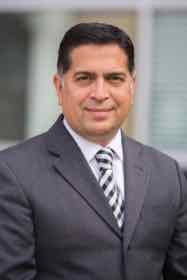
Glen Tellis, PhD, is a board-certified Specialist in Fluency Disorders who has given more than 200 invited workshops on stuttering, working with people from diverse cultural and linguistic backgrounds, and more. A past-President of the Pennsylvania Speech-Language-Hearing Association and former Steering Committee Member and Schools Task Force liaison for the ASHA Special Interest Division for Fluency Disorders, he has served on several boards and published numerous articles and chapters about stuttering, multi-cultural issues, and improving the training of SLPs.
SLP-Seminars taught by
Glen Tellis, PhD, CCC-SLP
Stuttering and Fluency Disorders
Advanced techniques to assess children and adolescents who stutter
Introduces advanced procedures in stuttering assessment. Reviews definitions, prevalence and incidence, risk factors, and conditions that increase or decrease stuttering, and differences between stuttering and normal disfluencies. Presents in-depth assessment procedures, including examples of detailed interview questions and a sample diagnostic report that clinicians can use as a template during IEP meetings. Participants learn about attitude scales as well as accurate methods of obtaining and analyzing speech samples and adaptation tasks. The workshop ends with information about contacting a fluency specialist. This seminar includes several 1-2 minute video clips that provide demonstrations of each aspect of stuttering assessment. There will be several breakout sessions to practice assessment procedures.
SuSuccessful Strategies to Treat Stuttering: from Preschool to Adulthood
A comprehensive program covering a wide range of topics in treatment of stuttering, including indirect, direct, and operant treatment methods, fluency shaping and stuttering modification techniques, and special topics such as electronic devices and support groups. Includes several 1-2 minute video clips that provide demonstrations of each aspect of stuttering treatment.
Culturally and Linguistically Diverse Populations
Assessing and treating culturally and linguistically diverse children with communication disorders (Tellis)
The purpose of this seminar is to provide detailed information about assessment and treatment of communication disorders in culturally and linguistically diverse populations. The following will be discussed: Differences in cultures, demographic changes in multicultural populations, cultural influences on communication styles, sensitivity to multicultural issues, ways of increasing cultural competence, professional and public policy, the impact of immigrants, refugee status, and religion, acculturation, beliefs about causes of disabilities, ASHA’s position regarding cultural and linguistic diversity as it pertains to communicative disorders, strategies for conducting assessments with culturally and linguistically diverse clients, legal considerations, standardized tests, cultural-linguistic bias, information about conducting nonbiased assessments, working with multidisciplinary teams, pre-referrals, case history considerations.
Information about cultural and environmental influences on language and academic performance will be discussed. Alternatives to assessment, specifically information about narrative assessment and analysis, portfolio and curriculum-based assessment, bilingual support, and using the services of interpreters will be outlined. The session will conclude with information about African American culture, Hispanic language and culture, Asian language and culture, and middle-eastern language and culture as well as assessment practices related to clients from these cultures.
Participants will learn about implications for treatment of diverse clients including African Americans, Hispanics, Asians, and middle easterners. Details about second language acquisition and bilingualism will be provided. Information about linguistic and social features of second language acquisition and bilingualism will be outlined as well as details about language loss. Participants will also learn about selecting appropriate goals and materials for treatment for culturally and linguistically diverse clients. Specific strategies for developing oral and written language skills will also be outlined. Treatment strategies that incorporate the family will be discussed.
Contact us for detailed overviews, hourly agendas, and learning objectives - OR let us custom-design a workshop specifically for your needs. Email us at This email address is being protected from spambots. You need JavaScript enabled to view it..